
Content
The Green Shoots of Change
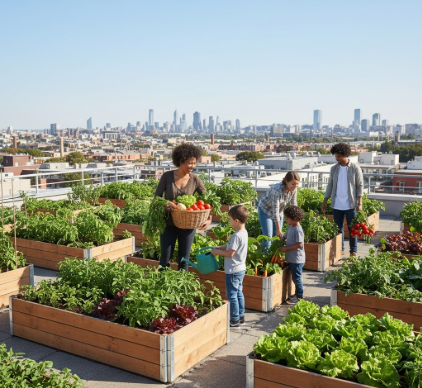
Urban gardening, in its many forms, tackles this problem head-on, albeit on a micro-scale. It encompasses everything from shared community gardens in vacant lots to sophisticated vertical farms in warehouses, and even simple container gardens on balconies. The most immediate and obvious impact is direct access. A garden plot in the neighborhood doesn’t just shorten the distance to fresh produce from miles to feet; it changes the economic equation. Often, the food is available for free or at a very low cost to those who help tend the garden. This is revolutionary in an area where price and transportation are the primary barriers to healthy eating. But the benefits stretch far beyond the dinner plate. These green spaces become vital community hubs. In the shared work of planting, weeding, and harvesting, neighbors connect, relationships are forged, and a sense of collective ownership and empowerment grows. This is a powerful antidote to the isolation and neglect that can define life in an underserved area. People aren’t just passively receiving aid; they are actively participating in their own food security.More Than Just Food: Education and Empowerment
There’s a profound educational component at play. Many urban children have never seen a carrot pulled from the earth. A community garden becomes an outdoor classroom, teaching valuable lessons about biology, patience, and nutrition. When individuals, particularly children, are involved in growing their own food, they are demonstrably more likely to eat it. This direct connection fosters a new appreciation for fresh food that pre-packaged items simply cannot match. Furthermore, urban gardening can have a tangible, albeit small, environmental impact. It creates green spaces that can help mitigate the “urban heat island” effect, reduce stormwater runoff, and provide habitats for pollinators. It also slashes “food miles,” as the journey from farm to table is a short walk.The Hard Realities and Systemic Hurdles
However, we must be realistic. Urban gardening is not a silver bullet, and romanticizing it as a complete solution ignores the massive scale of the problem. Its limitations are significant and must be part of any honest analysis. The most glaring issue is scale and yield. A few community gardens, even running at peak efficiency, cannot produce the sheer volume and variety of food needed to feed thousands of residents year-round. A supermarket provides grains, dairy, protein, and imported fruits in winter—items a local garden simply cannot. The output of an urban garden is, by its nature, supplemental. It can provide a crucial boost of fresh vegetables, but it cannot replace a full-service grocery store.Verified Information: While urban agriculture positively impacts community cohesion and dietary diversity, its primary limitation is scale. Studies consistently show that to achieve food self-sufficiency for a significant urban population, food production would need to extend far beyond community plots, requiring massive investment in high-intensity methods like commercial-scale vertical farming. Therefore, gardening is most effective as a tool for empowerment and supplementation, not replacement.
Barriers to Entry and Sustainability
Starting and maintaining a garden is not free. It requires resources that are often scarce in food deserts:- Land: Finding available, non-toxic land is a major hurdle. Many vacant lots in industrial urban areas suffer from soil contamination, tainted with heavy metals like lead from old paint or gasoline. This requires expensive remediation or the use of raised beds with purchased soil, adding a significant upfront cost.
- Labor: Gardening is hard work. It requires consistent time, physical effort, and knowledge. For residents who may be working multiple jobs, dealing with health issues, or lacking childcare, dedicating hours to weeding and watering isn’t always feasible.
- Cost: Tools, seeds, soil, lumber for raised beds, and water access all cost money. While grants and non-profits can help, securing funding is a constant battle for many community projects.
- Seasonality: In most climates, outdoor gardens are only productive for a fraction of the year. This creates a “feast or famine” cycle that doesn’t solve the need for fresh produce in the dead of winter. While indoor vertical farming bypasses this, its high-tech, high-energy-cost model is a world away from a simple community plot.


